March Bees’nes
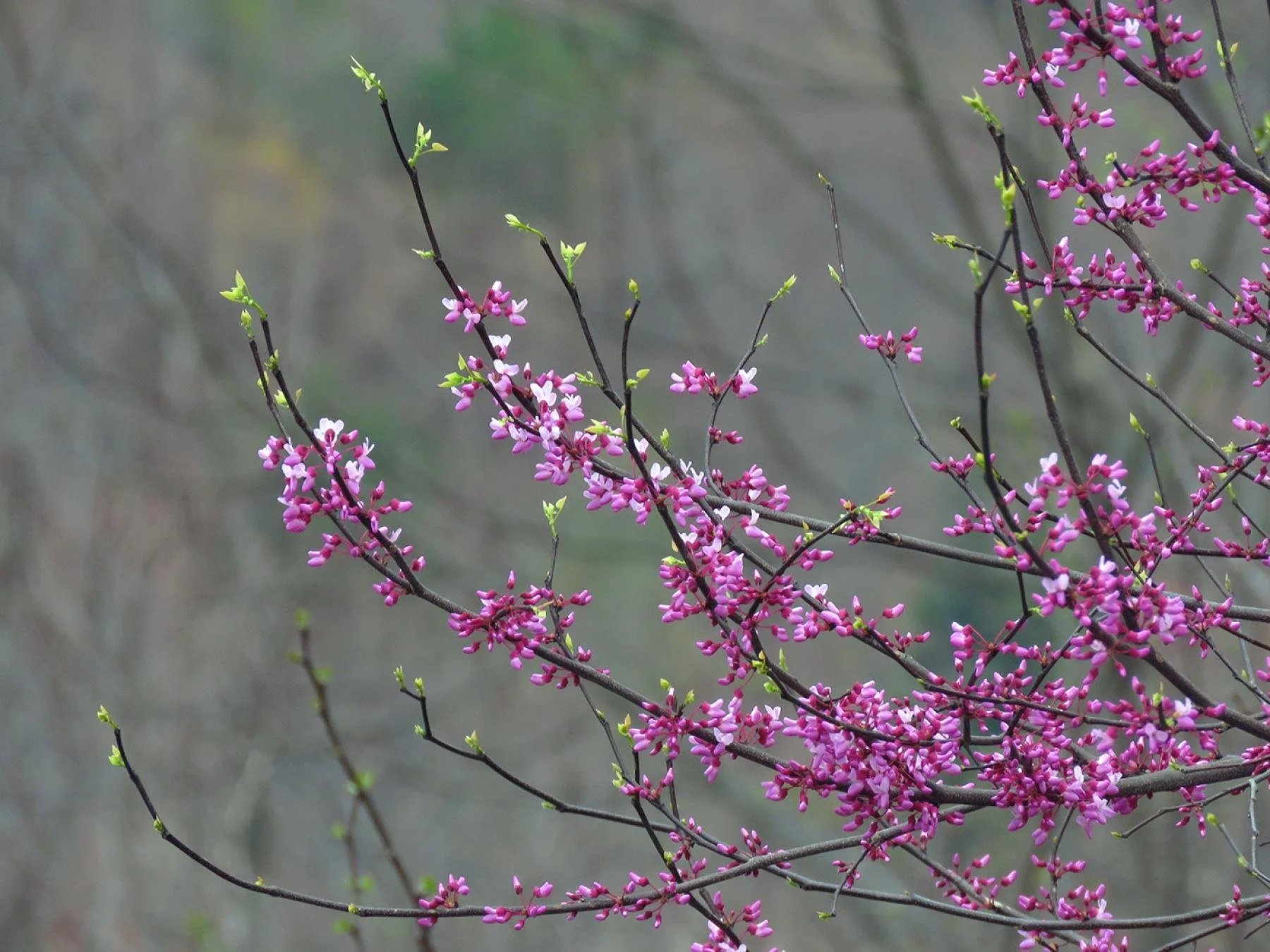
Arkansas Redbuds in Bloom, Early spring 2025.
Right now in early March, around Arkansas and the nearby states, the bees have already started to move. Days stretch out, temperatures hit the 60s regularly (sometimes pushing 70), and foragers come back with those bright pollen pants on their legs. The queen picks up her laying pace, brood starts building fast, and the hive chews through whatever stores are left from winter. This stretch decides a lot. Hives that made it through a rough winter can weaken or die off if they eat too fast for the sparse nectar available.
Start by checking food stores. Lift the hive or tilt it on a still day to feel the weight. Light ones need sugar to keep their carbs up. Bees will find pollen on the rise, but nectar isn't steady yet, so they can still starve while rearing brood. On warmer days above 50 degrees with bees flying, lift the inner cover for a quick peek at the top bars. See if there's sealed honey or open cells left. If it's slim, feed right away. Use dry sugar or fondant if nights are staying cool, and switch to a 1:1 syrup when things warm up consistently. Keep it going until a real flow starts. Blackberry, clover, and wild stuff usually hit in April or May here, though fruit trees and early blooms can give a boost sooner. Don’t worry about overfeeding; there is no such thing with bees.
When the weather cooperates (sunny, low wind, above 50 degrees), do short inspections. Keep them under 10 minutes total. Avoid chilling brood by pulling a single frame to make space and then working the frames inside the box. Look for tight brood patterns, even coverage means the queen is solid and in her rhythm. Patchy spots or an abundance of drone comb could signal trouble. You’re checking if the hive is healthy and if it’s gearing up to swarm. If you don’t see the queen, that’s OK! Spot eggs and young larvae to confirm she’s there and laying steadily.
Check for dysentery spots outside and inside the hive, chalky mummies, or anything off-smelling, and treat appropriately.
If your hives overwintered in one deep, add the second brood box now. Give the queen space before she runs out of room and they are forced to swarm. If they overwintered in two boxes (double deeps, deep/medium), reverse the order if the bottom looks empty and the top is full. Ease open your entrance reducers as traffic builds.
On treating mites, finish up any late-winter treatments if you haven't. Oxalic dribble, formic, whatever you use finish it at least two weeks before the main flow to keep your honey clean. Our humidity lets mites bounce back quickly, so plan a mite wash before April and prepare any additional treatments early if needed.
Get ready for the push ahead. If you didn’t order extra frames, supers, or nucs in the winter, do so NOW. It will be harder the longer you wait.
Complete hive inspections every 7 to 10 days to know what your bees are doing and be able to respond. Do NOT get into the hives earlier than 7 days unless absolutely necessary. Every time you open them up you are stalling their progress. Waiting longer than 10 days can cause you to miss queen problems, or swarm indicators, and end up with a ball of bees in a tree you weren’t expecting.
Because of the current weather trend, I would expect an earlier than usual honey flow. Pear, Plum, Cherry, and other trees are blooming. Some apples and peaches will join them in a few weeks, along with Dogwoods, Redbuds, and other flowering trees. Daffodils are currently out, the Tulips and other bulbs are right behind. I’ve seen dandelions and other ground flowers for the last month. The summer may be dry, I cannot tell yet, but the spring flow is going to be here sooner than expected and much more full.
Prepare, Plan, and HAVE FUN! And as always, Be Good to your bees!
